
Have you ever noticed how sometimes we focus more on what happened rather than who did it? For example, instead of saying, 'The chef cooked the meal,' we might say, 'The meal was cooked.' This is the beauty of passive voice—it shifts the focus to the action or the object, giving your sentences a fresh perspective. Let’s dive into the world of passive voice and discover how it can make your writing more dynamic and versatile!
Mission 1. Spot the Difference
Examine the sentences in the table comparing active and passive voice closely. Discover the differences between the two forms and explore how they change the focus and structure of a sentence!
| Active Voice | Passive Voice |
|---|---|
| The dog chased the cat. | The cat was chased by the dog. |
| The chef cooked the meal. | The meal was cooked by the chef. |
| The farmer planted the seeds. | The seeds were planted by the farmer. |
| The lion hunts the deer. | The deer is hunted by the lion. |
| The zookeeper cleaned the cage. | The cage was cleaned by the zookeeper. |
| Scientists observe migration patterns. | Migration patterns are observed by scientists. |
| The rain flooded the village. | The village was flooded by the rain. |
| The teacher explained the lesson. | The lesson was explained by the teacher. |
| Tourists visit the national park. | The national park is visited by tourists. |
| Conservationists will plant the trees. | The trees will be planted by conservationists. |
Mission 2. Let’s Identify
Answer the questions to identify the differences between the two forms. Think about what each sentence emphasizes, how the structure changes, and why a writer might choose one over the other!
- Do you notice the differences between the left and right columns? What is the focus of the sentences in the active voice compared to the passive voice?
- In the passive voice sentences, who or what is the focus of the sentence? Why is this different from the active voice?
- Look at the structure of the active voice sentences. How does the position of the subject, verb, and object change when rewritten in the passive voice?
- Why do some passive voice sentences include “by + agent” while others don’t? When do you think it’s necessary to include the agent?
- Compare these two sentences: “The lion hunts the deer” and “The deer is hunted by the lion”. Which sentence makes the performer of the action more obvious? Which sentence focuses on the action itself?
- In the sentence, “The national park is visited by tourists,” why might the writer choose to use the passive voice instead of the active voice?
- Can a sentence in passive voice still make sense if the agent (the doer) is not mentioned? Why or why not?
- In your own words, explain one key difference between active and passive voice.
It’s time to go over your answers! Let’s dive deeper into passive voice and explore its details. Passive voice is used to emphasize the action being done or the object receiving the action, rather than the person or thing performing the action. In this structure, the object of an active sentence becomes the subject of the passive sentence. Passive voice is useful in writing when the focus needs to be on the action or the object receiving it rather than the doer. It is particularly helpful when the performer of the action is unknown, unimportant, or implied. Example: The penguins are fed by the zookeeper.
| Active Voice | Passive Voice |
|---|---|
| The subject performing the action | Object receiving the action |
| Clearly identifies who is performing the action | The doer of the action is optional and often omitted if it’s irrelevant or unknown. |
| Used for direct, clear, and engaging writing, especially when the performer of the action is important. | Used when the action or object is more important than the doer, or when the doer is unknown or less significant. |
| Commonly used in everyday speech, storytelling, and persuasive writing | Often used in formal writing, scientific reports, or situations where objectivity is needed. |
How much do you know about one of Indonesia’s most intelligent primates? The Sumatran orangutan (Pongo abelii), native to Indonesia’s Sumatra Island, is not only critically endangered but also remarkably intelligent. These arboreal apes are masters of survival, using tools in ingenious ways—like crafting sticks to extract termites and honey or using leaves as makeshift umbrellas during tropical rains. Their diet mainly consists of fruits such as figs and jackfruits, but they also eat insects, bird eggs, and occasionally small vertebrates. Unfortunately, these intelligent primates face severe threats from habitat loss due to deforestation and human encroachment. Conservation efforts are vital to protect them and preserve Indonesia’s incredible biodiversity.
Mission 3. Identify the Form of Passive Voice
The way passive and active voice are formed is one of their key differences. Let’s learn how to structure passive voice.
| Tense | Structure | Active Voice | Passive Voice |
|---|---|---|---|
| Simple present | O + to be + V3 | The cheetah chases the gazelle. | The gazelle is chased by the cheetah. |
| Present continuous | O + to be + being + V3 | The bird is building a nest. | The nest is being built by the bird. |
| Present Perfect | O + has/have been + V3 | The dog has caught the rabbit. | The rabbit has been caught by the dog. |
| Simple Future | O + will/shall + be + V3 | The zookeeper will feed the penguins. | The penguins will be fed by the zookeeper. |
Mission 4. Let’s Practice
Let’s put your understanding of passive voice to the test! Below are sentences written in either active or passive voice. Your task is to transform each sentence: if it’s active, rewrite it in passive voice; if it’s passive, rewrite it in active voice.
- The cat chased the mouse. → Passive: The mouse was chased by the cat.
- The book is being read by the student. → Active: The student is reading the book.
- Farmers grow rice in this region. → …………………………………………………..
- The project was completed by the team. → …………………………………………………..
- The dog has chewed the slippers. → …………………………………………………..
- The nest is being built by the bird. → …………………………………………………..
- The chef will prepare the meal. → …………………………………………………..
- The email was sent by the manager. → …………………………………………………..
- Scientists have discovered a new species. → …………………………………………………..
- The homework will be finished by the students. → …………………………………………………..
Mission 5. Jumble Game
Below are jumbled phrases that need your help to become proper passive voice sentences. Rearrange the words into complete and grammatically correct sentences, paying close attention to the structure of passive voice.
- (by the chef / was / baked / The cake) → The cake was baked by the chef.
- (the letter / is being / delivered / by the postman) → ………………………………………………..
- (the animals / were / fed / by the zookeeper) → ………………………………………………..
- (the homework / has been / by the student / finished) → ……………………………………………….
- (will be / by the committee / announced / The results) → ……………………………………………….
- (The nest / by the bird / built / is being) → ……………………………………………….
- (the photos / taken / were / by the tourists) → ……………………………………………….
- (will / by the firefighters / be / extinguished / The fire) → ……………………………………………….
- (by the children / is / played / in the park / The game) → ………………………………………………..
- (the documents / scanned / are / by the assistant) → ……………………………………………….
Mission 6. Spot the Passive Voice!
Examine the text thoroughly to spot every sentence written in passive voice. Rewrite/underline them to reinforce what you've learned!
A Documentary in the Wild
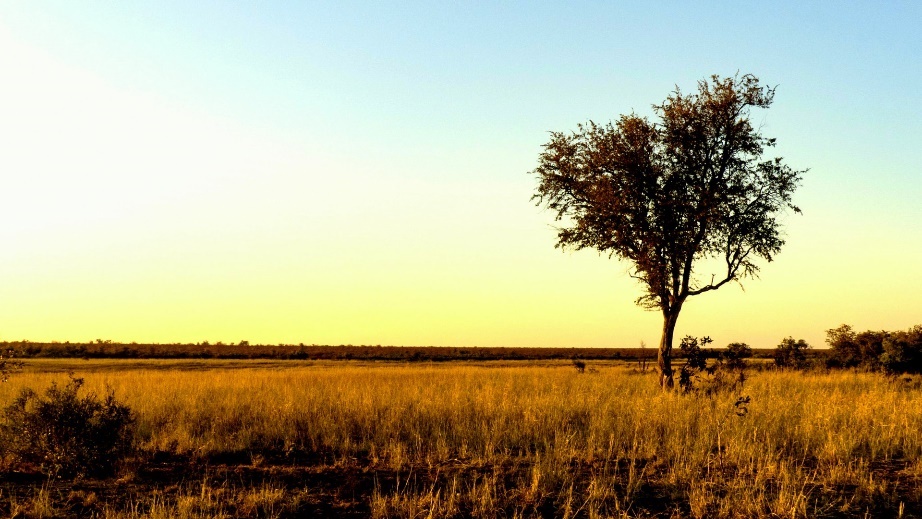
In the middle of the savanna, a wildlife documentary was being filmed by a team of experts. The animals were observed from a safe distance, and detailed notes were taken by the researchers. A herd of elephants was seen near the waterhole, where their behavior was studied carefully. In the meantime, cameras were set up around the area to capture their movements. Later, the footage was reviewed by the crew, and a report was prepared for the conservation organization. Many interesting facts were discovered, and important conclusions were drawn from the study.
Passive voice within the text: ………………………………………………………………………………………………………………………………………………………………………………
Gratis — tolong sebarkan
Materi dan latihan di sini bisa dipakai siapa saja tanpa membayar dan tanpa mendaftar. Aplikasi Fitri Learning membawa semuanya ke HP, lengkap dengan nilai dan pembahasan, dan jalan tanpa internet setelah diunduh sekali.
Gratis, tanpa akunUnduh aplikasinya → Ilmu yang bermanfaatBagikan ke WhatsApp