
The choices we make every day can shape the world around us. In this unit, we'll explore how to describe objects and tools that promote sustainability and learning, helping us understand their importance and inspire actions for a better future.
Mission 1. Describe to Discover
Take a moment to carefully observe the pictures and describe the objects in rich detail. Highlight their unique features, shapes, and textures, and include anything that stands out to make your description as clear and engaging as possible.
Water Bottle (example)
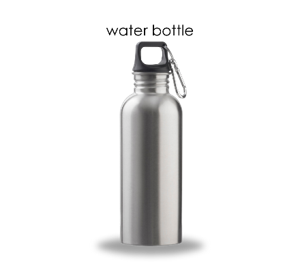
Description: This tall, cylindrical object is made of durable stainless steel or plastic. It's ideal for staying hydrated and helps reduce plastic waste. (example already filled in)
Books

Description: ……………………………………. ……………………………………………………. ……………………………………………………. …………………………………………………….
Plastic Bag
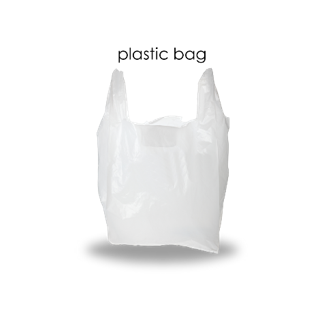
Description: ……………………………………. ……………………………………………………. ……………………………………………………. …………………………………………………….
Lamp

Description: ……………………………………. ……………………………………………………. ……………………………………………………. …………………………………………………….
Mission 2. Environmental Impact Investigators
In this mission, you have a task to observe surroundings carefully. Follow the instructions below to complete your mission!
- Look around your home, classroom, or surroundings. Search for objects that might affect the environment or relate to sustainability.
- Identify objects that have an environmental impact — either positive (like a reusable bottle) or negative (like a plastic bag).
- Think about how these objects are used and what happens to them when they are no longer useful.
Example — Metal straw: A metal straw is slim, smooth, and made of shiny stainless steel. It is a durable and reusable alternative to single-use plastic straws, which are often discarded after one use and contribute to pollution in waterways. This straw helps reduce plastic waste and its negative effects on marine life. As long as it is properly cared for and not lost, it has a positive impact on the environment by promoting sustainable habits.
Your report: …………………………………………………………………………………………………………….. …………………………………………………………………………………………………………….. …………………………………………………………………………………………………………….. …………………………………………………………………………………………………………….. ……………………………………………………………………………………………………………..
Mission 3. Get to Know What Sustainability is
Read the dialogue between Maudy and Kala closely. Focus on their discussion about sustainability and the examples they share. Use the conversation to answer the following questions.
Maudy and Kala are sitting in a park, having a snack, then Maudy notices a plastic bag blowing in the wind.
Ugh, there's another one. Don't people care about where their trash ends up?
Hmm, yeah, I've been seeing a lot of that lately. But what can we even do about it?
You know, it all comes down to sustainability. Do you know what that means?
Kind of? Isn't it about, like, helping the planet?
Exactly! Sustainability is all about using resources in a way that protects the environment and doesn't run out of stuff for future generations.
Okay, so like... what? Recycling and stuff?
Recycling is a big part of it! Like that plastic bag. Instead of throwing it away, you could recycle it, or better yet, use a reusable bag. It keeps plastic out of the environment and reduces waste.
Oh, so it's about reusing things too. What else can we do?
Tons of things! You can save energy by turning off lights when you leave a room, conserve water by fixing leaks, and even choose products made from eco-friendly materials, like bamboo or recycled paper.
Hmm, I see. But does it really make a difference if it's just one person?
Definitely! Imagine if everyone made one small change, like using a reusable bottle instead of plastic ones. All those small actions add up to something huge.
Hmm... I guess I could start carrying a reusable bottle and maybe a cloth bag for shopping. That's easy enough.
That's the spirit, Kala! Sustainability isn't about being perfect — it's about doing what you can, step by step.
Okay, I'm in. Saving the planet, one reusable bag at a time!
Answer these questions!
- What does Maudy say sustainability means?
- What example does Maudy give for reducing plastic waste?
- What are some sustainable actions mentioned in the conversation?
- Why does Maudy say small actions make a big difference?
- What changes does Kala decide to make to support sustainability?
Sustainability means using resources in a way that meets today's needs without depleting them for future generations. It ensures we balance environmental, social, and economic needs for long-term well-being. The main goals of sustainability are to protect the environment, conserve natural resources, and maintain ecological balance. These efforts help ensure a healthy and liveable planet for everyone. Sustainability is important because it prevents resource depletion, reduces pollution, and protects ecosystems. It ensures that future generations inherit a planet capable of supporting life. Individuals can contribute to sustainability by using reusable items, conserving energy and water, recycling, and making eco-friendly choices in their daily lives.
Mission 4. Poster Insights
Look carefully at the poster and explore its content. Use the information you find from the poster to solve the questions.
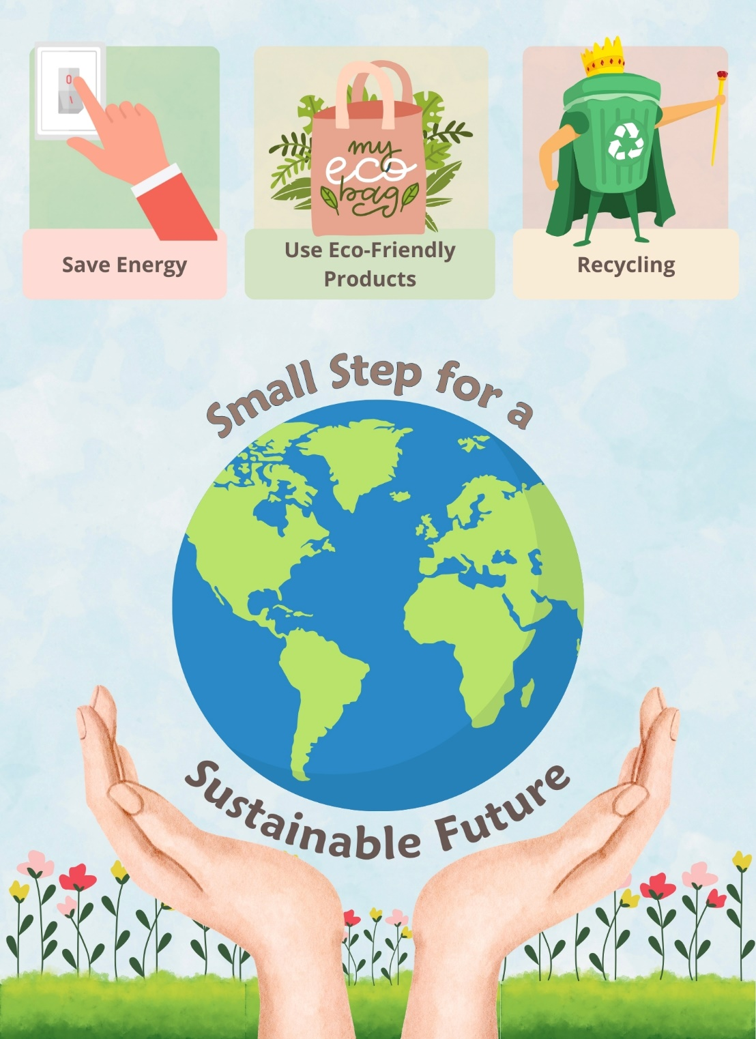
- What message is the poster trying to convey? Explain in your own words.
- Which tip from the poster do you think is easiest to follow? Why?
- What is one action from the poster that could help reduce waste?
- Can you think of one additional sustainable action not mentioned on the poster?
Mission 5. The Life Cycle of an Object
Your mission is to complete each row by describing how the object is made, how it can be reused or recycled, and its environmental impact.
| Object | How It's Made | Use/Recycle Into | Environmental Impact |
|---|---|---|---|
| Cardboard Box | Made from recycled paper pulp, pressed into layers of corrugated cardboard. | Recycled into new cardboard, paper, or composted for gardening. | Saves trees and reduces waste in landfills. (example already filled in) |
| Newspaper | ………………………………… | ………………………………… | ………………………………… |
| Used Can | ………………………………… | ………………………………… | ………………………………… |
| Bottle Cap | ………………………………… | ………………………………… | ………………………………… |
Describing is the act of using words to explain the features, qualities, or details of an object, person, or event. Describing objects in detail is essential for effective communication. It helps others visualize the object and understand its significance. To describe an object effectively, start with its physical traits like shape, size, color, texture, and material to create a clear mental image. Then, explain its purpose or function for context, and highlight any unique features that make it stand out, such as special designs or innovative uses.
Gratis — tolong sebarkan
Materi dan latihan di sini bisa dipakai siapa saja tanpa membayar dan tanpa mendaftar. Aplikasi Fitri Learning membawa semuanya ke HP, lengkap dengan nilai dan pembahasan, dan jalan tanpa internet setelah diunduh sekali.
Gratis, tanpa akunUnduh aplikasinya → Ilmu yang bermanfaatBagikan ke WhatsApp